Remote work maturity
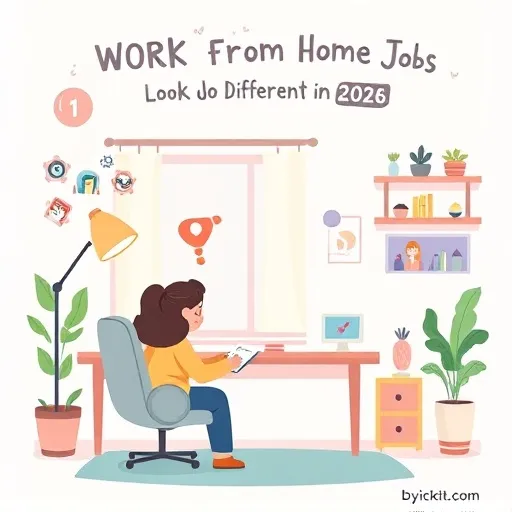
Why Work From Home Jobs Look Different in 2026
The remote work landscape has officially grown up. A few years back, companies were still in the experimental phase — testing the waters, figuring out what worked, and hedging their bets. Fast forward to 2026, and the verdict is in: employers have made their calls, and those calls are all over the place. Some organizations went all-in on fully distributed teams, while others landed on hybrid arrangements with specific in-office days. What really matters for you as a job seeker is that the quality of work from home jobs has jumped significantly. Companies that genuinely embrace remote work have poured serious resources into the infrastructure, culture, and management practices that make it actually function — not just survive, but thrive.
Here's another shift worth paying attention to: the talent pool has gone global in a way it simply wasn't before. Hiring managers in one region now routinely consider candidates from entirely different time zones. For anyone chasing work from home jobs, this cuts both ways. First, the competition is broader than ever — you're up against applicants from everywhere. Second, your opportunities are broader too. You're no longer boxed in by employers within commuting distance of your zip code. That's a massive unlock for people in smaller cities or rural areas who want access to top-tier remote roles.
There's also been a quiet revolution in how companies evaluate remote candidates. Instead of just trusting that someone will "figure it out," many organizations now lean on structured assessments, asynchronous video exercises, and trial projects. As someone who studies hiring trends and job posting language for a living, I can tell you the wording has shifted too — employers are hunting for demonstrable self-management skills, written communication fluency, and what industry insiders call "async literacy." If you can show real evidence of those qualities, you're already ahead of a huge chunk of the applicant pool applying for the same work from home jobs.
Technology, Data Science, and AI-Driven Remote Engineering Roles
This probably won't shock you, but it bears repeating: technical roles remain the backbone of the remote job market. Software development, data engineering, cloud infrastructure management, and cybersecurity positions continue to dominate listings on virtually every major job platform. What's changed is the specialization. Generic "developer" roles are less common now; employers want people with deep, specific expertise — someone who knows a particular framework inside and out, or who has hands-on experience with a niche area of data pipeline architecture.
And here's the big one: artificial intelligence has created an entire subcategory of work from home jobs. Prompt engineering, AI workflow design, model evaluation, and AI ethics consulting are all roles that barely existed a few years ago and are now in genuine demand. The encouraging part? Many of these positions value demonstrated skill over formal credentials. A strong portfolio of practical projects can carry more weight than a prestigious degree — which is great news for self-taught professionals diving into work from home jobs for the first time.
Creative Content Strategy, Copywriting, and UX Design Professions
Content strategy, copywriting, graphic design, video editing, and UX writing are all thriving as remote roles. The key differentiator in 2026 is that employers want creators who understand how to work with AI-assisted tools rather than competing against them. If you can blend human creativity with smart use of automation, you're in a strong position. One seasoned professional I spoke with recently put it perfectly: "The people who get hired now aren't the ones who resist the tools — they're the ones who know when to override them." That mindset is what separates the best work from home jobs candidates from the rest of the pack.
Customer Experience, Virtual Support, and Async Communication Roles
Remote customer support has evolved well beyond scripted chat responses. Companies are hiring for what they call "customer experience specialists" — people who can handle complex, nuanced interactions across multiple channels, often asynchronously. This is a fantastic entry point into work from home jobs for people without technical backgrounds, and the career progression can be surprisingly rapid if you demonstrate strong judgment and communication skills. Many companies now promote from within these remote support teams into operations or project management roles.
Operations, Project Management, and Distributed Team Coordination
Distributed teams need people who can keep things moving without the benefit of hallway conversations. Project managers, operations coordinators, and program leads are in steady demand across virtually every industry. The twist in 2026 is that these work from home jobs increasingly require comfort with a whole ecosystem of collaboration platforms — and the ability to design processes rather than just follow them. If you're someone who naturally organizes chaos, this is your lane.
Online Education, Corporate Training, and Professional Coaching Niches
Online tutoring, corporate training, and professional coaching have all expanded dramatically. The remote education space is particularly interesting because it's become more specialized — there's demand for subject-matter experts teaching highly specific skills rather than generalist instructors. Language instruction, test preparation, and professional certification coaching are all active niches within the broader world of work from home jobs.
Optimizing Resumes and Profiles for Remote-First Automated Screening
Many companies now use automated screening tools before a human ever sees your application. These systems scan for relevant keywords, so tailor your resume and cover letter to mirror the language in the job description. Think of it as basic SEO for your career — match the terms the employer is using, and you'll get past the first filter. But don't just stuff keywords; weave them into genuine descriptions of your experience and achievements.
Demonstrating Asynchronous Communication and Written Fluency
Remote employers care deeply about whether you can communicate clearly in writing. Your application materials are your first sample. Keep your cover letter concise, well-structured, and free of typos. If there's an option to submit a video introduction, take it — it shows comfort with asynchronous formats and gives hiring managers a sense of your personality before the interview stage.
Building a Visible Portfolio and Case Study Strategy
Whether you're in design, development, writing, or data analysis, having a portfolio site or a public repository of your work makes an enormous difference. It gives hiring managers concrete evidence of your abilities rather than just your claims about them. For roles that are harder to showcase (like project management), consider writing case studies that describe how you approached a challenge and what results you achieved.
Preparing for Skills Assessments and Collaborative Remote Interviews
Remote interviews often include exercises that simulate real work — a timed writing task, a collaborative document exercise, or a problem-solving scenario handled over a shared screen. Practice working under mild time pressure while narrating your thinking out loud. It feels awkward at first, but it's a skill you can develop — and it's exactly what employers hiring for work from home jobs want to see.
- You need a dedicated workspace. Working from your sofa sounds charming until your back starts complaining. A proper desk, a decent chair, and good lighting make a measurable difference to your productivity and wellbeing.
- Internet reliability is non-negotiable. Most remote employers specify minimum connection requirements. A backup connection — even a mobile hotspot — is worth having for those inevitable outages.
- Time zone coordination matters. If your team spans multiple continents, you may need to adjust your schedule. Some work from home jobs come with "core hours" during which you must be available; others are fully flexible. Know which you're signing up for.
- Isolation is real. Working alone day after day can wear on anyone. Smart remote workers build in social contact — coworking sessions, virtual coffee chats, or simply getting out of the house regularly.
- Career visibility requires effort. When you're not physically present, it's easy to become invisible. Proactively sharing updates, volunteering for cross-team projects, and maintaining good relationships with colleagues all help ensure your contributions are recognized.
Specialized remote job boards are your best starting point. Several well-known platforms focus exclusively on remote and distributed roles, and they tend to have better quality control than general job sites. Industry-specific boards are also valuable — niche communities often post openings before they hit the big aggregators.
Professional networks remain powerful. Many work from home jobs are filled through referrals before they're ever publicly listed. Engaging genuinely in professional communities — contributing to discussions, sharing insights, helping others — builds the kind of visibility that leads to opportunities.
Company career pages are worth checking directly. If there's an organization you'd love to work for, bookmark their careers page and check it regularly. Some roles appear there before they're distributed elsewhere.
Freelance marketplaces can serve as a bridge. If you're transitioning into remote work and want to build experience, freelance platforms let you test the waters, build a track record, and develop the self-management skills that remote employers value.
One word of caution: be wary of any listing that asks you to pay for training, equipment, or "registration." Legitimate employers don't charge you to work for them. Trust your instincts — if something feels off, it probably is. And always verify a company's existence through independent sources before sharing personal information.
Keep developing skills. The remote job market rewards adaptability. Whatever your field, staying current with new tools and methodologies protects your long-term employability. Dedicate regular time to learning, even when you're busy with day-to-day work.
Document your wins. Keep a running record of projects you've completed, results you've driven, and positive feedback you've received. When promotion season or a new opportunity arrives, you'll have concrete evidence ready to go.
Invest in relationships. Your network is your career insurance. Stay in touch with former colleagues, participate in professional communities, and be generous with your knowledge. Opportunities often come from unexpected connections — especially in the world of work from home jobs.
Protect your boundaries. The line between work and home life blurs easily when your office is your living room. Set clear start and end times, take real breaks, and resist the urge to "just check one thing" outside your working hours. Sustainable productivity depends on genuine rest.
Think about where you want to be. Remote work opens doors to companies and roles you might not have considered before. Are you aiming for a leadership position? A specialist role? Freelance independence? Knowing your direction helps you make intentional choices rather than drifting.